Introduction
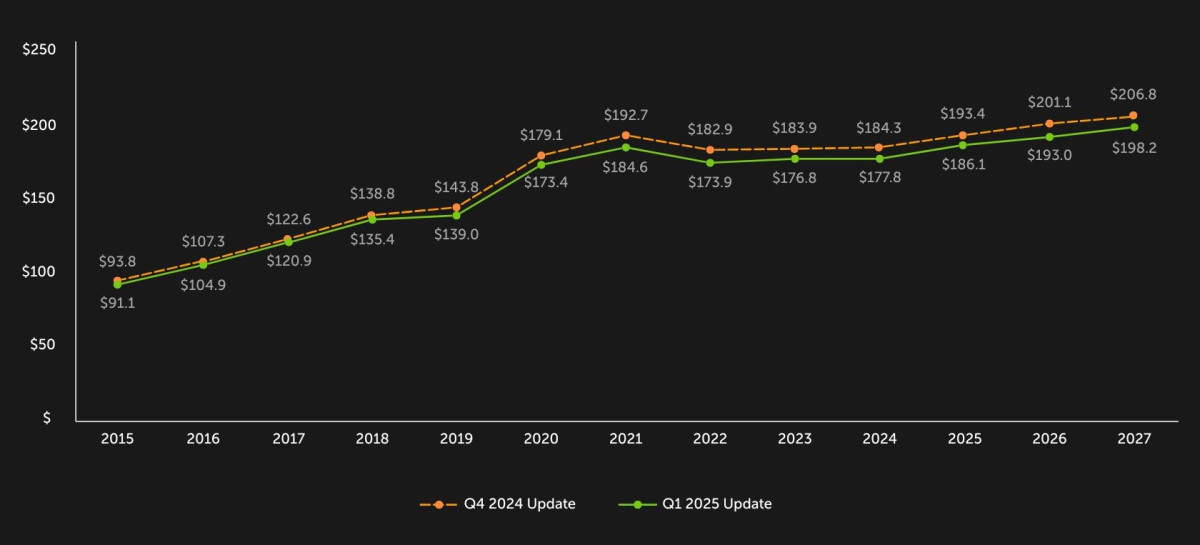
The gaming industry in 2026 is at a pivotal moment, characterized by rapid evolution and staggering growth. With projections indicating that the industry will surpass $200 billion, understanding the current and future trends is essential for both gamers and developers alike. In Malaysia, the gaming community is thriving, influenced by a blend of local culture and global innovations. Tracking these trends not only offers insights into potential gaming experiences but also guides developers in creating engaging content that resonates with players.
Current Trends
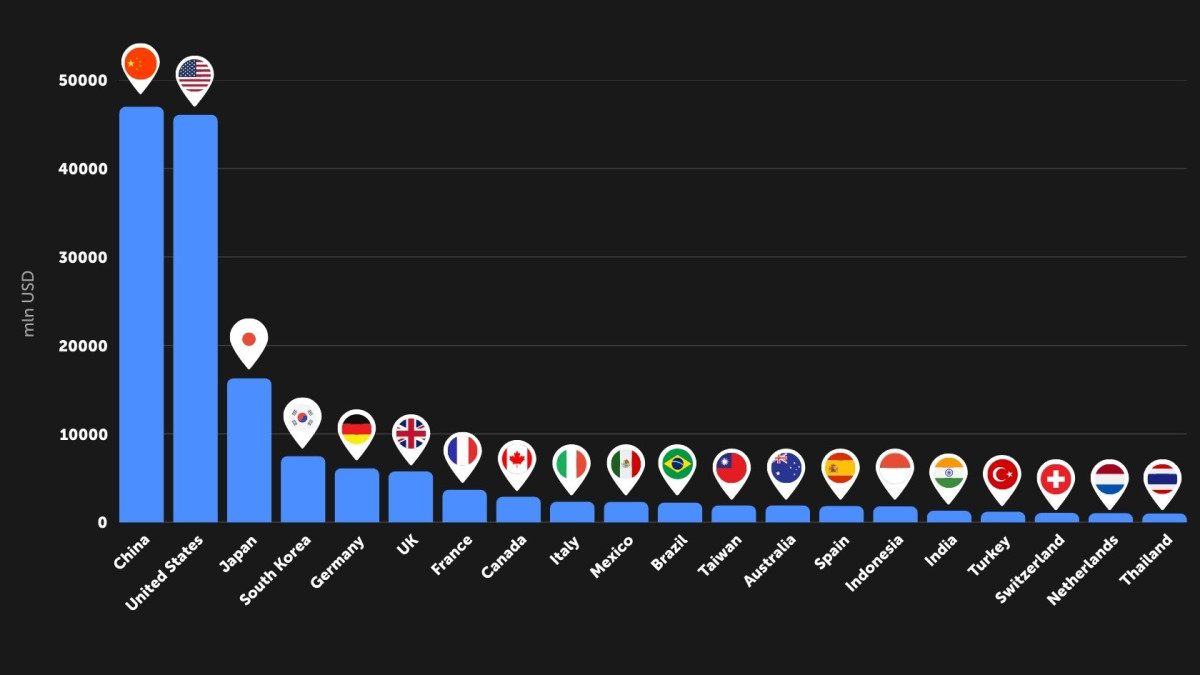
As we look at the gaming industry trends for 2024, several key themes emerge that are shaping the future:
- Mobile Gaming Dominance: With mobile gaming expected to account for over 50% of the gaming market by 2026, its accessibility has attracted a vast audience. In Malaysia, local developers are creating games that reflect cultural narratives, making mobile gaming a cultural phenomenon.
- Rise of eSports: The competitive gaming scene is flourishing, with eSports tournaments drawing thousands of viewers both online and in-person. Major players like Sony, Microsoft, and Nintendo are investing heavily in eSports, recognizing its potential for revenue and engagement.
- Virtual and Augmented Reality: The adoption of VR and AR technologies is set to double by 2026, enhancing immersive gaming experiences. As Malaysian developers experiment with these technologies, players can expect more engaging and interactive gameplay.
These trends not only highlight the growth potential within the industry but also underscore the importance of technology adoption in shaping player experiences. The screenshot below shows a recent eSports tournament held in Kuala Lumpur:

Future Predictions
Looking ahead, the gaming industry in 2026 is primed for significant shifts. Consumer behavior is evolving, and several predictions stand out:
- Increased Personalization: Gamers are increasingly seeking personalized experiences. Advanced algorithms and AI will be utilized to tailor gameplay, marketing, and community interactions based on individual preferences.
- Expansion of Cloud Gaming: As internet infrastructure improves across Malaysia, cloud gaming will become more mainstream. This will enable gamers to access high-quality games without the need for expensive hardware, democratizing access to gaming.
- Integration of Social Features: Future games will likely integrate more social features, allowing players to connect, share, and collaborate in real-time, fostering community and engagement.
As you can see above, these predictions reflect a broader shift towards inclusivity and accessibility within the gaming landscape, catering to a diverse Malaysian audience eager for new experiences.
Key Technologies
The gaming industry is heavily influenced by technological advancements. Here are some key technologies that are driving change:
- Virtual Reality (VR): The immersive experience offered by VR is transforming how games are developed and played. In Malaysia, developers are experimenting with VR to create culturally relevant games that resonate with local players.
- Augmented Reality (AR): AR technology is being integrated into mobile games, offering innovative gameplay that merges the virtual and real worlds. Popular titles in Malaysia are leveraging AR to enhance user engagement.
- Blockchain and NFTs: The advent of blockchain technology is opening new avenues for game monetization through NFTs. Gamers can own and trade in-game assets securely, adding a new layer of value to their gaming experiences.
These technologies not only enrich gameplay but also foster community and connection among players. The guide image below illustrates the potential of VR and AR technologies in gaming:
Market Analysis
The gaming market in Southeast Asia, particularly in Malaysia, is experiencing remarkable growth. Key players such as Sony, Microsoft, and Nintendo are continuously adapting to local preferences, which is essential in a diverse market. Local developers are also gaining traction, creating unique experiences that celebrate Malaysian culture.
Demographic changes are influencing this market. With a young and tech-savvy population, mobile gaming is particularly appealing, as it aligns with the lifestyles of many Malaysians. Furthermore, the rise of eSports is contributing to the popularity of gaming, with many young players aspiring to become professional gamers.
In summary, the future of gaming in Malaysia is bright, characterized by technological advancements and a diverse gaming landscape. Keeping an eye on these trends will be crucial for gamers and industry players alike as they navigate this vibrant and ever-evolving market.
FAQ
What are the top gaming trends for 2026?
Some of the top gaming trends for 2026 include the continued dominance of mobile gaming, the growth of eSports, the rise of VR and AR technologies, increased personalization in gaming experiences, and the expansion of cloud gaming.
How is mobile gaming expected to evolve?
Mobile gaming is set to evolve by incorporating advanced technologies like augmented reality and machine learning for personalized experiences. Additionally, as internet access improves, more complex and immersive games will become available on mobile platforms, appealing to a wider audience.